Studio Hours:
12-7 M-Th
11-8 Fri-Sat
11-7 Sun
11-8 Fri-Sat
11-7 Sun
Placement is the decision most first-time (and even experienced) tattoo clients rush through — and it's the one that matters most once the ink is permanent. At Tribal Rites Tattoo and Piercing, we talk through placement with nearly every client who walks into our Loveland studio, because the wrong spot can distort a design, fade unevenly, or simply not fit the life you actually live.
This guide breaks down how to choose tattoo placement based on pain tolerance, design style, longevity, and lifestyle — with real guidance from artists working in Loveland, CO every day.
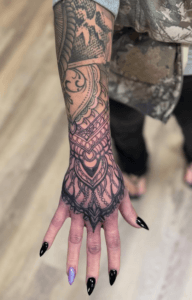
Ty Knapp Mandala Tattoo Loveland Colorado
A lot of clients come in with a design already picked out and only think about placement as an afterthought. But placement affects:
A skilled artist will walk you through all four of these before a single line goes down — it's part of what separates a tattoo you love for decades from one you regret within a year.
Fine line tattoos need flatter, less mobile skin to stay crisp — think forearms, ribs, and upper thighs. Areas with heavy natural movement (like fingers or elbows) will blur fine linework faster than bolder styles.
Thick black outlines and saturated color hold up exceptionally well almost anywhere, including higher-friction zones like forearms and calves, because the bold linework resists visual breakdown over time.
Realism depends on smooth gradients and shading, so larger, flatter canvases — upper arms, back, thighs — give an artist the room needed to execute depth and shadow correctly. Realism on small or curved areas often loses detail as it heals.
These styles often wrap intentionally around the body's natural curves — shoulders, calves, and rib cages are popular because the design can use the body's shape as part of the composition.
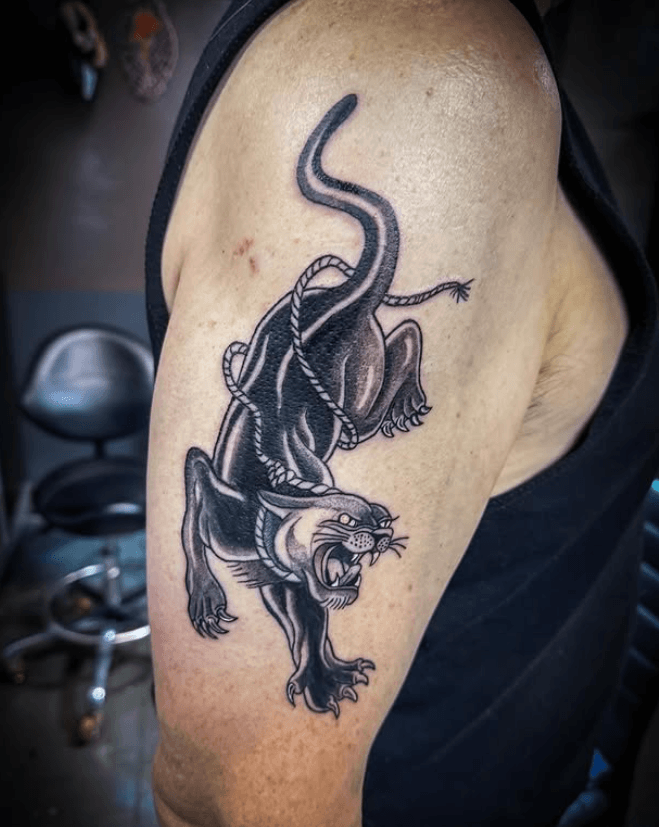
Traditional Panther Tattoo Loveland Colorado
Pain is subjective, but there are consistent patterns based on skin thickness, nerve density, and bone proximity:
If it's your first tattoo, starting on a lower-pain, forgiving area is a smart way to build confidence before tackling a more sensitive placement later.
Some placements simply age better than others:
If longevity matters to you, ask your artist directly about touch-up expectations for the placement you're considering — some spots simply require more maintenance than others, and a good artist will tell you that upfront rather than after the fact.
Before finalizing your design and placement, walk through these questions with your artist:
This is exactly the kind of conversation our artists have during every consultation — and it's covered in more depth in our Loveland Custom Tattoo Guide, which walks through the full planning process from concept to finished piece.
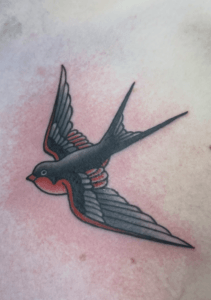
Sparrow Tattoo by Tanner Hentges
Even the "right" placement can go wrong in the hands of an inexperienced artist. Placement decisions require an artist who understands:
Our About Our Tattoos page outlines the range of styles our Loveland artists specialize in, so you can match your design to an artist who already has strong experience in that specific placement and style combination.
Healing time is fairly consistent across most placements — typically 2–3 weeks for surface healing — but higher-friction areas (hands, feet, waistband areas) require extra attention to avoid irritation from clothing or repeated movement. Our Tattoo Aftercare guide covers the full step-by-step process, including bandage removal timing, cleaning routine, and what products to avoid.
A few placement-specific healing notes:
Placement and design matter, but none of it counts if the studio isn't operating safely. The FDA has documented real risks tied to contaminated inks and unsterile equipment, which is why choosing a licensed, experienced studio matters as much as choosing the right artist.
Tribal Rites has been licensed and operating in Colorado since 1994, and every placement conversation includes a straightforward look at what to expect — no guesswork, no upsells.
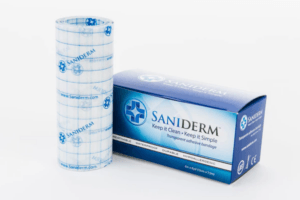
Saniderm Wrap for Tattoos
Outer forearm, outer thigh, or upper arm/shoulder are generally the most tolerable placements for first-timers due to thicker skin and less bone proximity.
Yes. Hands, feet, and fingers see the fastest fading due to constant friction and sun exposure, while upper arms, thighs, and back tend to hold detail and color longest.
Often, yes — but it depends on the specific styles and the size of the area. This is exactly the kind of design question worth bringing to a consultation before committing to a final layout.
Whether you're mapping out your first tattoo or planning where your next piece fits into an existing collection, our Loveland team is happy to talk through style, sizing, and placement before you commit to anything. Fill out our Tattoo Inquiry Form or stop by the studio on Eisenhower Blvd to start the conversation.